
The Voice Behind VoiBo · Issue #5
Four months, 1,300 calls, and what actually moved the numbers
By Simon Berry · 6 November 2026 · 6 min read
In issue #2 I wrote that business leaders at the Recruitment Agency Expo weren't looking for ideas any more. They wanted evidence. Benchmarks. Validation of what's actually working.
This issue is exactly that.
One of our clients is a high-volume recruitment business. Their applications land, and VoiBo calls the candidate within seconds of them being added to the role, screens them in their own language, writes the notes back to the CRM and emails the consultant a summary. They went live over 18 weeks ago, and VoiBo has now handled more than 1,300 calls for them. That's 1,300 calls, not 1,300 candidates. It includes second attempts, voicemails and candidates ringing back, which is exactly the point of this issue.
We recently compared their first eight weeks with their second eight weeks. I'll share the numbers, and then I'll be honest about what actually moved them.
The numbers
First eight weeks against second eight weeks:
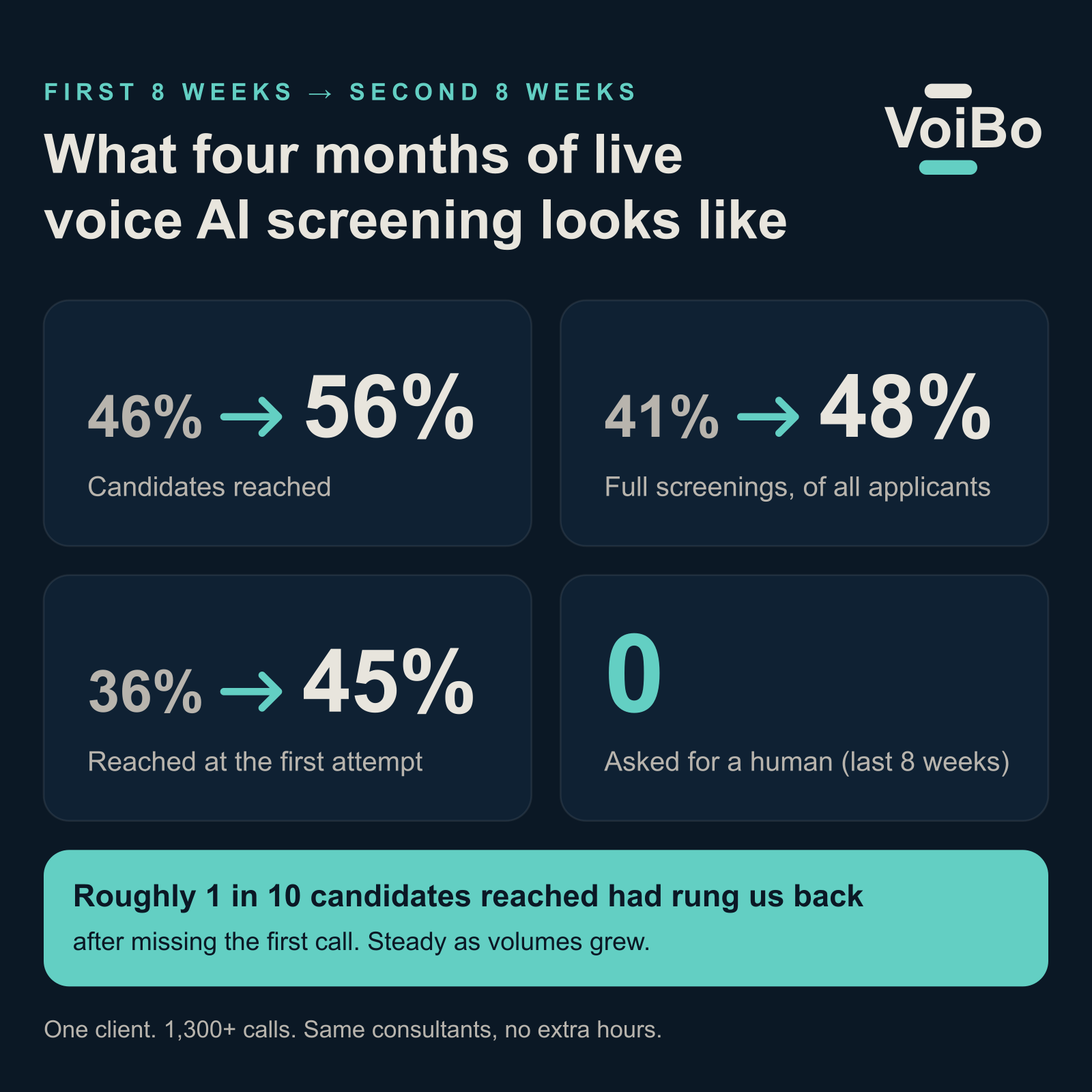
- Candidates reached rose from 46% to 56% of applicants. By "reached" I mean a real conversation of more than a minute, either on VoiBo's outbound call or when the candidate rang back and was answered by VoiBo.
- Full screenings (three minutes or more) rose from 41% to 48% of all applicants. Screenings grew faster than applications did, so it isn't just more volume. Around half of everyone who applied got a proper, qualifying conversation, which is significantly higher than before VoiBo was introduced.
- First-attempt reach rose from 36% to 45%.
- Roughly one in ten of the candidates VoiBo reached is someone who rang back after missing the call. That share held steady as volumes grew, which tells you it's a behaviour you can plan around, not a fluke.
Put another way: 85 more fully qualified candidate conversations, from the same, modest number of roles and the same consultants, with no extra hours worked. It's worth working out what one in twenty of those is worth to you in placements. Because that's the number this is really about. (And that's just the number that comes from one 8 week period to the next. A 'pre VoiBo' and 'post VoiBo' comparison would look much more powerful still.)
And across every full screening since mid-September:
- 93% ran to completion. (The majority of the other 7% naturally ended for real reasons, for example realising that their location wasn't suitable.)
- 80% of candidates came out with high interest in the role.
- And not one of them asked to speak to a person.
That last one still surprises me a little. But it is a sure-fire signal that voice AI is now widely accepted, when deployed professionally, for the right use-cases and used responsibly.
One important check. When numbers move like this, the first question should always be "did the mix change?" Different campaigns, languages and roles reach people at very different rates. Deliberately, we compared like for like, same candidate group in both periods. The improvement held, 43% to 56%.
What actually moved them
You might imagine that this was a clever new model or a breakthrough in voice tech or quality.
It wasn't.
It was a handful of unglamorous, detailed fixes, most of which you'd never put in a sales deck.
Voicemail. We made some subtle changes to the dynamic data being fed into voicemail messages being left by VoiBo. The median message length rose to 22 seconds and the full message landed every time. Voicemail still catches about three in ten outbound calls for this particular client, so this one matters.
Callbacks. People ring back. Of course they do. A missed call from an unknown number is often followed by a curious return call a few minutes later. We regularly see people calling VoiBo back, met with the full context of who that candidate is and which role they applied for, and then completing a full screening. If nothing intelligent answers that number, you've likely lost them.
Retries. A second attempt at a sensible interval picks up roughly another one in eight applicants. It sounds obvious. It's also easy to get subtly wrong. VoiBo can continue retrying applicants up to five times.
Speed. Calling within minutes, or even seconds, of a candidate being added to the role, rather than within hours or more typically days, makes a massive difference to outcomes. Even small gains on an already rapid response matter, and it's a big part of why first-attempt reach went up in the second eight weeks. The candidate is still thinking about the job. Often they're still holding their phone and imagining themselves in that role.
I can't attribute every percentage point to a single change, and I'd be suspicious of anyone who claimed they could. But the direction is clear. The gains came from sweating the operational detail and learning from the data, not from the technology suddenly getting smarter.
Who did this work? Not the client.
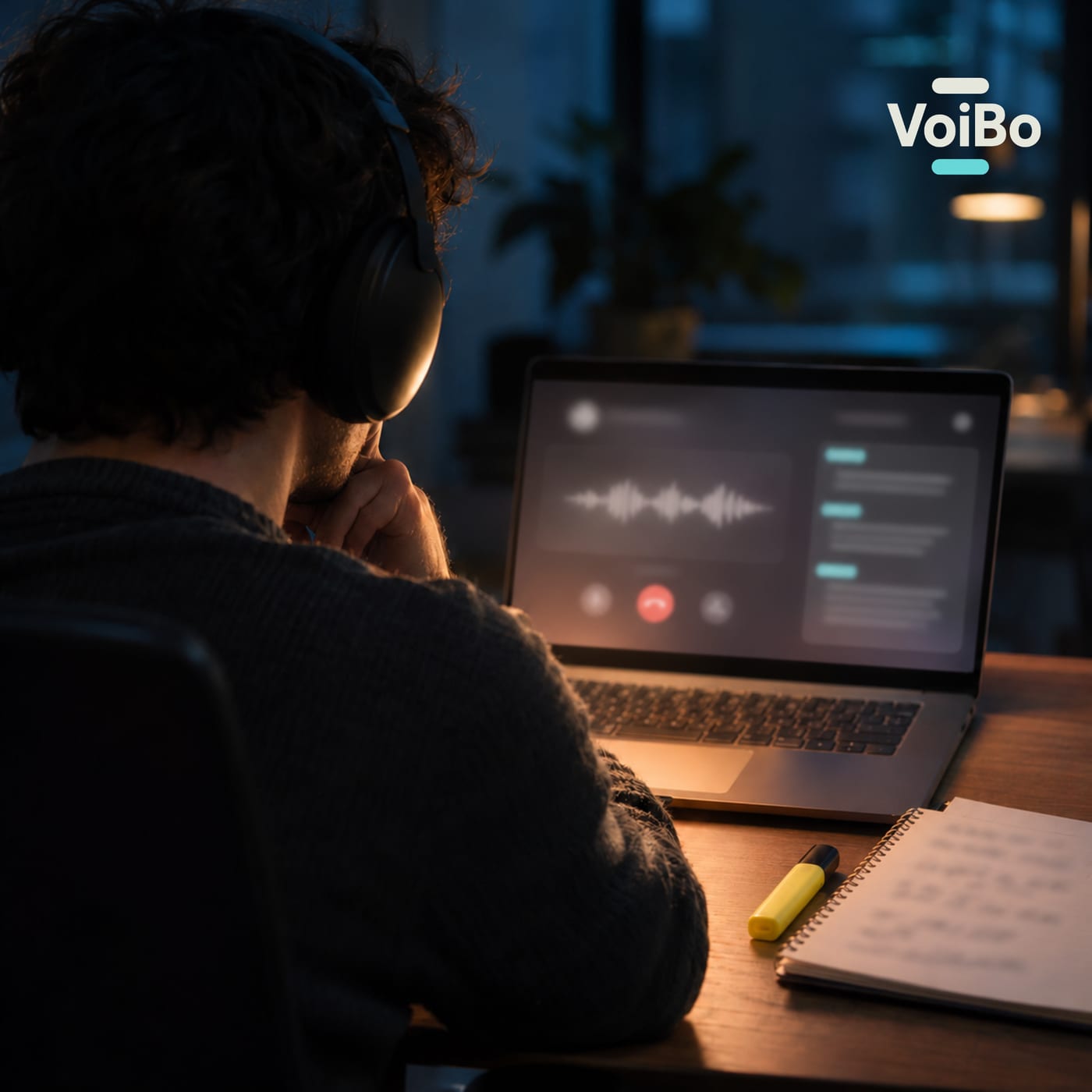
Worth saying plainly: none of the changes above involved the client. They sent candidates and read the summaries. The listening to calls, the spotting of a voicemail message that wasn't landing, the rewriting of a closing section that candidates kept hanging up on... that's the part of voice AI nobody talks about, and it's most of the job.
The technology itself is becoming widely available. What isn't widely available is the work around it: listening intently to the early calls of every new deployment, applying what they teach us across every client we serve, and coming back for periodic reviews so the lessons keep moving in both directions. That's what we've built VoiBo to be. The numbers above are what it looks like after four months of it, with a client who was new to voice AI.
What the numbers don't say
In the spirit of issue #1, reality not hype, this is what's still imperfect.
Around 5% of applications still end without a clear outcome, mostly because of wrong numbers or the line simply going dead, as they sometimes do even on an entirely human call. Some candidates hang up during the closing part of the call, because it sounds like the end, before the last step is done. We've just rewritten that section. And every week we find something new to tighten. This is a live system talking to real people, and real people are wonderfully unpredictable.
That's not a disclaimer. For me it's the whole point. The results above didn't arrive on day one. They came from analysing the calls, finding what was going wrong or what could be slicker and smoother, and fixing it.
From the call logs
A new recurring section: one real number from live calls, and what's behind it.
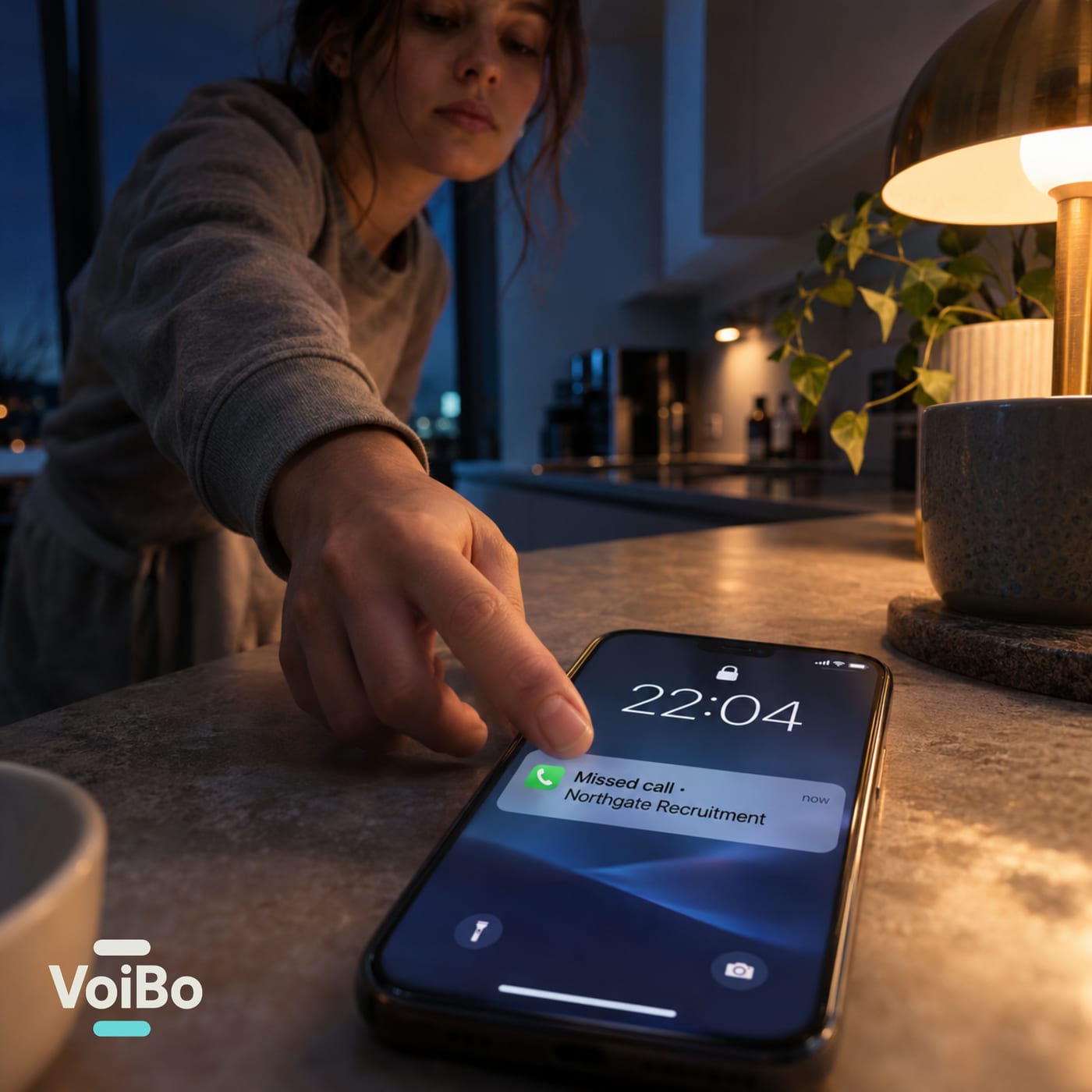
9 minutes. The gap between a candidate missing a VoiBo call and ringing back to complete a full screening. At 10pm. Speed of response isn't only about how fast you call. It's about how fast you answer when they call you back. Regardless of the time.
Over to you
If you could fix one thing about how your business responds to applicants this quarter, what would it be? Speed to talent when they apply? Reaching candidates at the times they actually pick up? Making sure every applicant gets a fair, useful response, even when it's a no? I'd genuinely like to know.
And if you'd like to see what voice AI looks like against your own types of roles and recruitment processes, just get in touch. Happy to talk it through.
Thanks for reading.
Simon
Simon Berry is the founder of VoiBo, voice AI built for recruitment. He ran his own recruitment business for 17 years before building VoiBo.